Alcohol and Anxiety: Why Hangxiety Happens
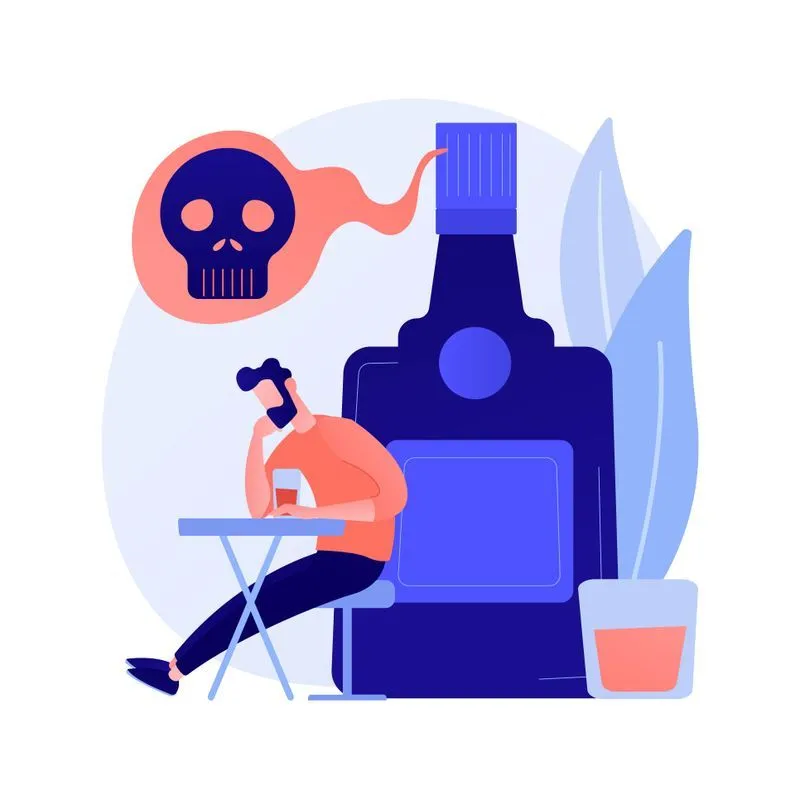
The relationship between alcohol and anxiety is one of the most misunderstood cycles in mental health. Millions of people drink to calm their nerves, and it works — for about 20 minutes. Then the rebound hits, and the anxiety comes back stronger than before.
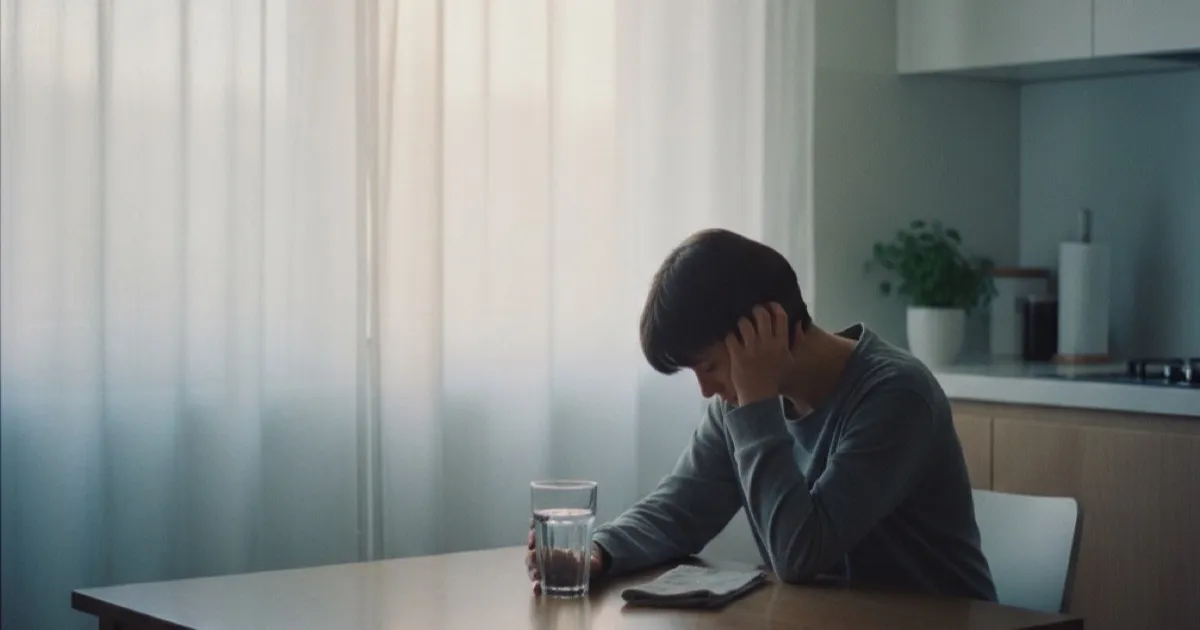
If you’ve ever woken up after a night of drinking with a sense of dread that goes far beyond a headache and nausea, you’ve experienced hangxiety. That crushing morning-after anxiety isn’t just “guilt about last night.” It’s a neurochemical event with a specific biological explanation.
Here’s why alcohol and anxiety fuel each other, what hangxiety actually is, and what happens to anxiety when you stop drinking.
How Alcohol Affects Anxiety (The 20-Minute Trap)
Alcohol is a central nervous system depressant. When it enters your brain, it boosts the activity of GABA, an inhibitory neurotransmitter that slows neural activity. This is why your first drink feels calming — your brain literally quiets down.
At the same time, alcohol suppresses glutamate, an excitatory neurotransmitter. Less glutamate means less neural excitation. For someone with anxiety, this one-two punch of more GABA and less glutamate produces a wave of relief that feels medicinal.
The problem is what happens next.
Your brain is constantly trying to maintain balance (homeostasis). When alcohol artificially increases GABA and decreases glutamate, your brain compensates by producing less GABA and more glutamate on its own. This compensation begins within hours.
By the time the alcohol wears off, your brain is in a state of heightened excitability: low GABA (the calming neurotransmitter) and high glutamate (the excitatory one). The result is anxiety that’s worse than what you started with.
This is why “just one drink to take the edge off” leads to a pattern. The drink calms you down, the rebound ramps you up, and you reach for another drink to calm down again. Each cycle deepens the dependence.
What Is Hangxiety?
Hangxiety — hangover anxiety — is the intense anxiety, dread, and unease that many people feel the morning after drinking. It’s not the same as a regular hangover, though it often accompanies one.
The Neuroscience of Hangxiety
When you stop drinking after a session, your brain is still in compensation mode: GABA is suppressed, glutamate is elevated, and cortisol (the stress hormone) is spiking. The combination produces symptoms that mimic a clinical anxiety attack:
- Racing heart
- Tightness in the chest
- Sense of impending doom
- Difficulty breathing or feeling short of breath
- Rumination about things said or done while drinking
- Social anxiety about how you behaved
- A feeling that something terrible is about to happen, even though nothing specific is wrong
A 2019 study in Personality and Individual Differences found that hangxiety is more severe in people who are already shy or socially anxious. But it’s not limited to anxious people — anyone who drinks enough can experience it.
Who Gets Hangxiety?
Not everyone experiences hangxiety equally. Research identifies several risk factors:
- Pre-existing anxiety disorders — If you have generalized anxiety, social anxiety, or panic disorder, hangxiety is typically more intense
- Heavy drinking episodes — More alcohol means a bigger neurochemical rebound
- Poor sleep — Alcohol fragments sleep architecture, and sleep deprivation independently increases anxiety
- Genetic factors — Variations in GABA receptor genes affect how strongly the rebound hits
- Drinking to cope — If you drink specifically to manage anxiety, the rebound effect is more psychologically distressing because the coping mechanism is creating the problem
The Anxiety-Alcohol Cycle
The most dangerous aspect of the alcohol-anxiety relationship is how it self-reinforces.
Stage 1: You feel anxious. You drink. The anxiety temporarily decreases.
Stage 2: The alcohol wears off. Rebound anxiety hits, often worse than the original anxiety.
Stage 3: You feel even more anxious. You drink again to get relief.
Stage 4: Over time, your brain adapts. You need more alcohol to achieve the same calming effect (tolerance), and the rebound anxiety becomes progressively worse.
Stage 5: You now have two problems: the original anxiety AND a developing dependence on alcohol.
This cycle is documented extensively in addiction research. A 2020 review in Alcohol Research: Current Reviews found that anxiety disorders and alcohol use disorders co-occur at rates 2-3 times higher than either condition alone. They feed each other.
The relationship between depression and alcohol follows a similar pattern. Both conditions get worse with continued drinking, and both improve with sustained sobriety.
What Happens to Anxiety When You Quit Drinking
This is where the story gets complicated. Quitting alcohol initially makes anxiety worse before it gets better.
Week 1-2: Anxiety Spikes
Your brain is still in compensation mode. GABA production hasn’t recovered, glutamate is still elevated, and cortisol levels are high. Anxiety during early sobriety can be worse than anything you experienced while drinking.
This is why many people relapse in the first two weeks. The anxiety feels unbearable, and the obvious “solution” is a drink. Understanding that this spike is temporary and neurochemical — not permanent and psychological — helps you push through it.
Week 2-4: Gradual Improvement
GABA receptors begin upregulating. Glutamate levels start normalizing. Sleep quality improves, which has a direct effect on anxiety levels. The sleep improvements that come with sobriety are themselves one of the most powerful anti-anxiety treatments available.
Most people notice a meaningful decrease in baseline anxiety by the end of the first month.
Month 2-6: Significant Recovery
By the second month, the neurochemical rebalancing is well underway. Many people report that their anxiety levels are lower than they’ve been in years — lower than they were before they started drinking heavily.
This makes sense: chronic drinking actually creates neuroadaptations that generate anxiety. Removing the alcohol allows your brain to return to its natural state, which for most people is less anxious than the alcohol-modified state.
6 Months+: New Baseline
By six months of sobriety, most people have established a new baseline of anxiety that’s substantially lower than where they were while drinking. A 2021 study in JAMA Psychiatry found that 80% of people diagnosed with alcohol-induced anxiety disorder no longer met diagnostic criteria after 12 months of sustained sobriety.
The anxiety doesn’t necessarily disappear entirely. If you had an anxiety disorder before you started drinking, it will still be there. But it’s no longer amplified by the constant cycle of alcohol and rebound. And it becomes treatable with strategies that actually work long-term: therapy, exercise, mindfulness, and lifestyle changes.
How to Break the Anxiety-Alcohol Cycle
1. Recognize the Pattern
The first step is seeing the cycle clearly. Track your anxiety and drinking together for two weeks:
- How anxious do you feel before drinking? (1-10)
- How anxious do you feel during drinking?
- How anxious do you feel the next morning?
- How anxious do you feel 24-48 hours after drinking?
Most people discover that their worst anxiety days are the 1-2 days after their heaviest drinking days. The drink isn’t treating the anxiety — it’s causing tomorrow’s anxiety.
2. Build Non-Alcohol Coping Tools
If you’ve been using alcohol to manage anxiety, you need replacement strategies before you quit. Otherwise you’re removing a coping mechanism without a substitute.
Effective anxiety management tools:
- Exercise — 30 minutes of moderate exercise is as effective as a low-dose benzodiazepine for acute anxiety, with no rebound
- Mindfulness and meditation — Regular practice reduces baseline anxiety and improves your ability to observe anxiety without reacting to it
- Breathing techniques — Box breathing (4-count inhale, 4-count hold, 4-count exhale, 4-count hold) activates the parasympathetic nervous system within minutes
- Social connection — Talking to someone you trust about your anxiety reduces its intensity. Isolation amplifies it
- Therapy — CBT is specifically designed to address the thought patterns that drive anxiety. It works
3. Talk to a Doctor
If your anxiety is severe, medication might be appropriate during the transition. There are effective anti-anxiety medications that don’t carry the same rebound risk as alcohol. A healthcare provider can help you determine whether short-term or long-term medication support makes sense for your situation.
This is especially important if you’re planning to quit heavy drinking. Alcohol withdrawal can involve anxiety as a medical symptom, not just a psychological one. Medical supervision makes the process safer.
4. Track Your Progress
Once you’ve stopped drinking, tracking your daily mood and anxiety levels shows you the improvement curve. In the first week, the data might look discouraging. By week three, you’ll start seeing the trend. By month two, most people have clear evidence that their anxiety is lower without alcohol than it was with it.
Mood tracking makes the invisible visible. When anxiety feels the same day to day, looking back at a month of check-ins reveals the trajectory.
How SobrMate Helps You Track the Connection
SobrMate’s daily check-ins with mood tracking let you log how you’re feeling each day as you move through sobriety. Over weeks and months, these check-ins reveal the pattern that’s hard to see in the moment: that your anxiety is decreasing as your sober days increase.
The sobriety counter running alongside your mood data shows the correlation concretely. At 30 days, you can look back and see how your day-to-day anxiety compares to week one. By 90 days, the difference is usually striking.
Private community groups connect you with people at your same recovery stage who understand the anxiety-alcohol cycle firsthand. When hangxiety was your normal, it helps to hear from people who’ve come out the other side.
Frequently Asked Questions
How long does hangxiety last?
A single episode of hangxiety typically lasts 12-24 hours, though it can persist for up to 48 hours after heavy drinking. The intensity peaks in the morning and gradually decreases throughout the day as your brain rebalances its neurotransmitter levels. Chronic drinkers may experience low-grade anxiety for days between episodes.
Does alcohol cause anxiety or make existing anxiety worse?
Both. Alcohol can induce anxiety through the neurochemical rebound effect (hangxiety), and it worsens pre-existing anxiety disorders by disrupting the brain’s natural calming systems. A 2020 review found that 20-40% of people with alcohol use disorders have co-occurring anxiety disorders, and in many cases the alcohol is making the anxiety worse.
Will my anxiety go away if I stop drinking?
For many people, yes — substantially. If your anxiety is primarily alcohol-induced, it typically resolves within 1-6 months of sobriety. If you had anxiety before you started drinking, quitting removes the alcohol-amplification layer, leaving you with a more manageable baseline. Either way, stopping drinking improves anxiety for the vast majority of people.
Is it safe to quit drinking if I have severe anxiety?
Consult a doctor before quitting if you’re a heavy, long-term drinker. Alcohol withdrawal can intensify anxiety and may require medical management. Your doctor can create a tapering plan or prescribe medication to manage withdrawal anxiety safely. For moderate drinkers, quitting is generally safe, though the first 1-2 weeks may feel uncomfortable.
Ready to break the anxiety-alcohol cycle and track your progress? Try SobrMate — log daily check-ins, watch your mood improve alongside your sober days, and connect with a community that understands what you’re going through.
Sources and further reading
This article is general information, not medical advice. If you’re struggling with your mental health or thoughts of self-harm, call or text 988 to reach the 988 Suicide & Crisis Lifeline, available 24/7.
Tags
About the author
Sarah MitchellHealth & Wellness Writer
Sarah is a certified health coach and freelance writer covering nutrition, mindfulness, and habit formation. She has written for Healthline and Verywell Mind, and personally practices sobriety.
More from Sarah Mitchell