Energy Drink Addiction: Signs, Withdrawal, and How to Quit
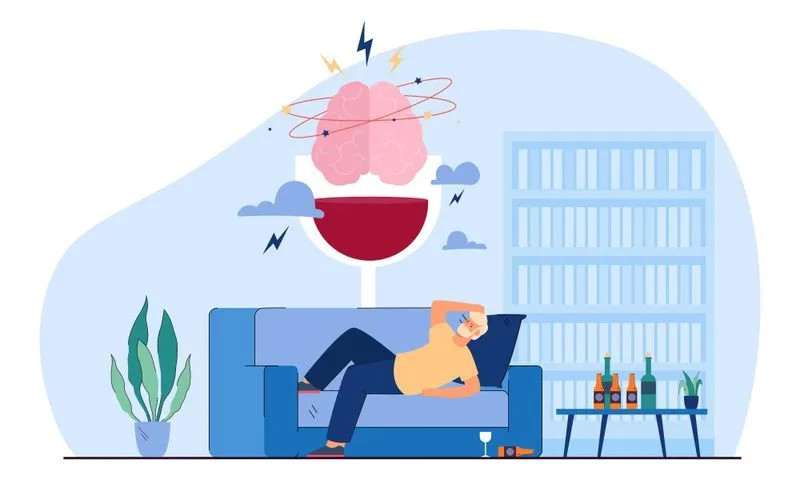
Most people don’t think of a Monster or a Red Bull the way they think of a drink or a cigarette. It’s just a pick-me-up, something to get through the afternoon. But if you’ve ever gotten a splitting headache on a day you skipped it, or found yourself buying a second can before noon, you already know the pull is stronger than “just a drink.”
Energy drink addiction usually creeps up quietly. One can becomes two, the afternoon slump gets worse, and the thing that used to give you a boost is now the thing you need just to feel normal. The good news is that the dependence is very treatable, and quitting is more manageable than most people expect once they understand what’s actually happening.
Energy drink addiction is a dependence on the caffeine, sugar, and ritual of energy drinks, marked by needing them to function, drinking more to get the same effect, and getting headaches or fatigue without them. Caffeine withdrawal usually lasts two to nine days, and cutting back gradually rather than stopping cold, which is what the FDA advises, tends to keep it milder.
Are Energy Drinks Actually Addictive?
The active ingredient doing most of the work is caffeine, and caffeine is a genuinely dependence-forming stimulant. A single can of Monster carries about 160mg of caffeine; larger cans and “extra strength” versions push higher. Two cans already puts you at 320mg, and three takes you past the 400mg a day that the FDA cites as an amount not generally associated with negative effects for most adults.
Caffeine works by blocking the brain receptors that make you feel tired. Your brain adapts by growing more of those receptors, so over time you need more caffeine to get the same lift — that’s tolerance, the same mechanism behind other dependencies. Take the caffeine away and all those extra receptors are suddenly exposed, which is why the headache and fog of withdrawal hit so hard.
Energy drinks add two more hooks on top of the caffeine. The sugar delivers its own quick reward and crash, and the ritual — the cold can, the specific time of day, the association with getting things done — becomes a habit loop that’s separate from the chemistry. That combination is why quitting energy drinks can feel harder than quitting plain coffee.
Signs You’ve Become Dependent
Dependence isn’t a moral failing or a matter of willpower. It’s your body adjusting to a regular chemical input. A few signs that you’ve crossed from casual use into something worth addressing:
- You need one to function. The first can isn’t a treat anymore — it’s the thing that makes you feel like yourself.
- The dose keeps climbing. One can stopped working, so now it’s two, or you’ve switched to the bigger size.
- You get headaches or crushing fatigue without it. These are withdrawal symptoms, and they’re the clearest sign of physical dependence.
- You drink them at times that don’t make sense. Late afternoon, evening, or right after waking — beyond a simple morning lift.
- You’ve tried to cut back and couldn’t. You’ve told yourself “just one today” and ended up with three.
- You keep going despite side effects. Racing heart, poor sleep, anxiety, or stomach trouble, and you drink them anyway.
If a few of these sound familiar, you’re not alone and you’re not stuck. Recognizing the pattern is the part most people never get to.
What Energy Drink Withdrawal Feels Like
When you cut back sharply, expect caffeine withdrawal to show up within 12 to 24 hours. The most common symptoms are a persistent headache, tiredness that sleep doesn’t fix, irritability, low mood, and trouble concentrating. Some people feel faintly flu-like.
For most people, withdrawal peaks around the first two days and eases over the following week, though it can run up to nine days depending on how much you were drinking. It’s uncomfortable, not dangerous. Chest pain, a racing or irregular heartbeat, or fainting are different: if you get those while you’re still drinking energy drinks, see a doctor rather than pushing through. Knowing the timeline helps, because the worst of it is short and it does end — the headache on day two is a sign your brain is already recalibrating, not a reason to reach for a can.
How to Quit Energy Drinks
The single most useful decision is how you stop. Quitting cold turkey works for some people, but it front-loads all the withdrawal into a miserable few days, which is exactly when most people give up and restart. Tapering is gentler, and it’s what the FDA recommends if you’re used to caffeine every day and want to cut back.
Taper instead of quitting cold. Cut your intake by roughly a quarter to a third each week. If you’re on three cans a day, drop to two for a week, then one, then switch to a smaller size or a lower-caffeine alternative before stopping entirely. The slower slope keeps withdrawal mild enough to push through.
Hydrate and eat regularly. A lot of what people blame on “needing energy” is actually mild dehydration or a blood-sugar dip. Water and steady meals blunt the crashes that send you back to the fridge.
Replace the ritual, not just the chemical. If your 3 p.m. can is really about a break, keep the break and change the drink — sparkling water, a short walk, tea. The habit loop needs a new ending, or the craving keeps looking for the old one.
Expect the sleep irony. You’ll feel more tired the first few days, then noticeably less tired within a couple of weeks as your natural energy and sleep quality recover. That turnaround is the payoff, and it’s worth holding out for.
Track it. Marking each day without an energy drink turns a vague intention into a streak you can see and protect. Watching the count climb — and the money you’re not spending on cans add up — is a surprisingly strong motivator when the afternoon slump is arguing with you.
Why Tracking Helps More Than Willpower
Quitting anything habit-forming is easier when progress is visible. A running counter does two quiet things: it gives you a number worth protecting, and it turns “I’m trying to cut back” into concrete evidence that you’re doing it.
This is where treating an energy drink habit like any other dependency pays off. If you’re also cutting back on alcohol, nicotine, or another behavior, tracking them together shows how they interact — the days that are hard for one are often hard for all of them. SobrMate lets you track two habits side by side for free (more with Premium): counters for energy drinks, alcohol, smoking, or anything else you’re working on, with milestones, money saved, and an Energy Drinks community of people doing the same thing. Reset a counter after a slip and your history stays intact, because cutting back is rarely a perfectly straight line.
Frequently Asked Questions
Is energy drink addiction a real thing?
Yes. Energy drinks contain caffeine, a dependence-forming stimulant, plus sugar and a strong habit ritual. Regular heavy use leads to tolerance (needing more for the same effect) and withdrawal symptoms without it, which are the hallmarks of a genuine physical dependence.
How long does it take to quit energy drinks?
Most people are through the hardest part within two to three weeks. Caffeine withdrawal typically peaks in the first two days and fades over the following week, and tapering your intake rather than stopping suddenly keeps the symptoms mild.
What happens to your body when you stop drinking energy drinks?
Expect a few days of headaches, fatigue, and irritability as your brain adjusts, followed by better sleep, steadier daytime energy, less anxiety, and often better hydration and digestion. Many people also notice their heart isn’t racing the way it used to.
Is Monster energy drink addictive?
Monster contains roughly 160mg of caffeine per standard 16-ounce can, along with sugar and other stimulant ingredients. Like any energy drink, regular heavy use can lead to caffeine tolerance and dependence, so it can absolutely become a habit that’s hard to break.
Trying to cut back on energy drinks — on their own or alongside other habits? Download SobrMate free and start a counter today. Track your caffeine-free days, celebrate milestones, and see the money you’re saving, all without a subscription.
Tags
About the author
Sarah MitchellHealth & Wellness Writer
Sarah is a certified health coach and freelance writer covering nutrition, mindfulness, and habit formation. She has written for Healthline and Verywell Mind, and personally practices sobriety.
More from Sarah Mitchell