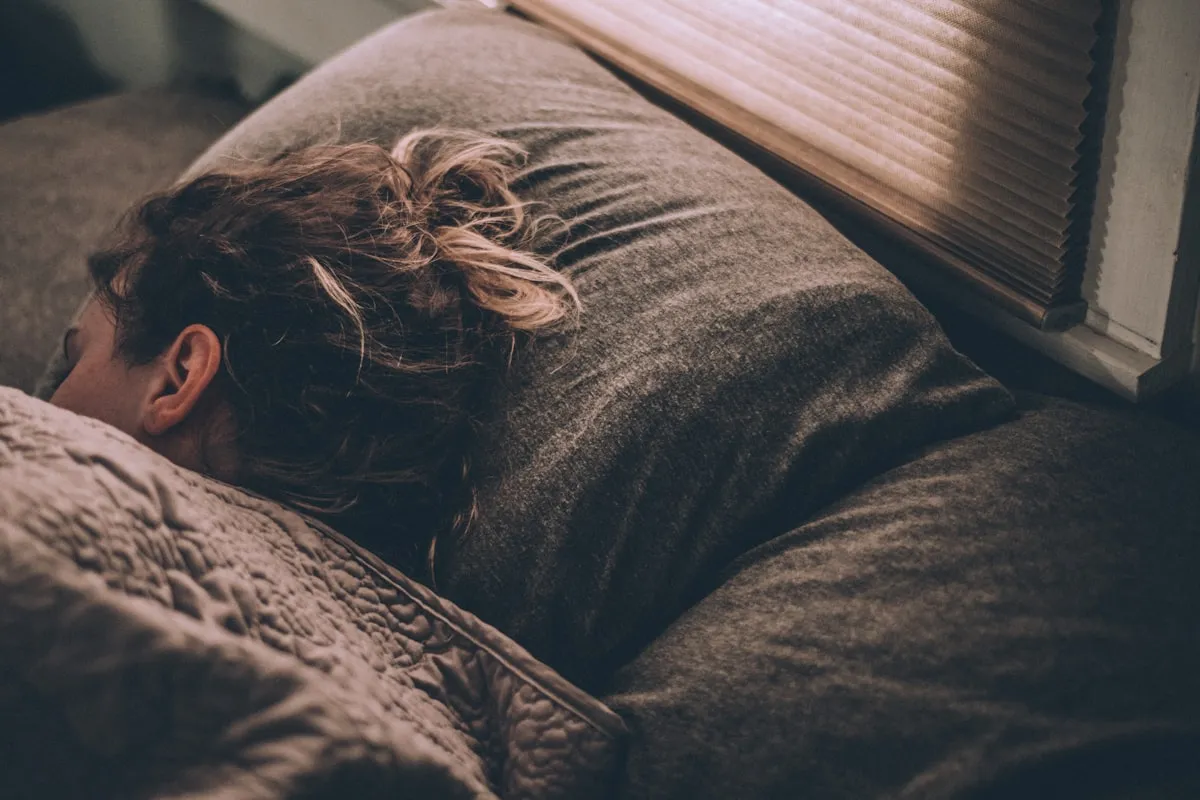
How Alcohol Destroys Your Sleep (And How Sobriety Restores It)
You probably know this feeling: you have a few drinks, get drowsy, fall asleep fast… and then wake up at 3 AM, heart racing, mind spinning, desperately thirsty, unable to fall back asleep.
By morning, you feel worse than if you’d stayed up all night.
This isn’t bad luck. It’s chemistry. And understanding exactly how alcohol sabotages your sleep is one of the most compelling reasons to stop drinking.
The Big Lie: “Alcohol Helps Me Sleep”
Let’s address this head-on, because it’s one of the most common reasons people give for drinking at night.
Alcohol does help you fall asleep faster. That part is technically true. Alcohol is a central nervous system depressant. It increases a brain chemical called GABA, which has sedative effects. A couple of drinks, and you feel drowsy. Your eyes get heavy. You nod off quickly.
But falling asleep is not the same as sleeping well. And this is where everything goes wrong.
What Alcohol Actually Does to Your Sleep
It Destroys REM Sleep
Your sleep cycle has several stages, and the most critical for mental health and cognitive function is REM (Rapid Eye Movement) sleep. This is when your brain:
- Processes and consolidates memories
- Regulates emotions from the day
- Performs critical cognitive maintenance
- Dreams (which is part of emotional processing)
Alcohol suppresses REM sleep, particularly in the first half of the night. Studies show that even moderate drinking (2-3 drinks) can reduce REM sleep by 20-40%.
This is why you wake up after drinking feeling mentally foggy, emotionally fragile, and unable to concentrate — even if you “slept” for 8 hours. Your brain never got the deep restoration it needed.
It Fragments Your Sleep
Alcohol metabolism creates a “rebound effect.” As your body processes the alcohol (roughly one standard drink per hour), the sedative effect wears off and is replaced by a stimulatory response. This typically happens 3-5 hours after your last drink.
The result:
- You wake up repeatedly in the second half of the night
- Each awakening may be brief, but it disrupts your sleep architecture
- You cycle between light sleep stages instead of reaching deep, restorative ones
- Total “sleep efficiency” (time asleep vs. time in bed) drops significantly
You might not remember these awakenings, but your body registers every one of them.
It Worsens Sleep Apnea and Snoring
Alcohol relaxes the muscles in your throat and airway. For people prone to sleep apnea — or even mild snoring — this is dangerous.
- Snoring increases in frequency and volume
- Sleep apnea episodes (where breathing stops temporarily) become more frequent and longer
- Oxygen levels drop, forcing your heart to work harder
- Even people who don’t normally snore may develop snoring after drinking
This doesn’t just affect your sleep — it affects anyone sleeping near you.
It Disrupts Your Circadian Rhythm
Your body has a master clock (the suprachiasmatic nucleus) that regulates when you feel sleepy and when you feel alert. Alcohol interferes with this system by:
- Suppressing melatonin production (the hormone that signals sleep time)
- Disrupting body temperature regulation during sleep
- Altering cortisol timing (the stress hormone that should peak in the morning, not at 3 AM)
Regular drinking essentially confuses your internal clock, making it harder to fall asleep naturally — which makes you rely on alcohol even more. It’s a vicious cycle.
It Increases Nighttime Bathroom Trips
Alcohol is a diuretic — it makes you produce more urine. Combine that with the fluid volume of several drinks, and you’re getting up to use the bathroom multiple times per night.
Each trip to the bathroom is a full awakening. Getting back to deep sleep after that takes 20-30 minutes. Multiply that by 2-3 bathroom trips, and you’ve lost over an hour of quality sleep.
It Triggers Night Sweats and Anxiety
As alcohol leaves your system, your nervous system rebounds:
- Night sweats are common, forcing you to wake up uncomfortable
- Heart rate increases as your sympathetic nervous system kicks in
- Anxiety surges — the infamous “3 AM dread” is a direct result of alcohol withdrawal
- Adrenaline and cortisol spike because your body is in a mild state of withdrawal
This is why drunk sleep doesn’t feel like rest. Your body spent the night in a low-grade stress response.
The Numbers Don’t Lie
Research has quantified just how bad alcohol is for sleep:
- Even a single drink reduces sleep quality by 9.3%
- Two drinks reduce sleep quality by 24%
- More than two drinks reduce sleep quality by nearly 40%
- People who drink regularly are 2x more likely to report insomnia
- Alcohol-disrupted sleep is associated with higher rates of depression and anxiety
These numbers come from a Finnish study of over 4,000 participants — and the results held regardless of age, gender, or fitness level. Nobody is immune.
What Happens to Your Sleep When You Quit
Here’s the good news — and it’s very good.
Week 1: The Rocky Start
Honest warning: sleep often gets worse before it gets better when you first quit. Your brain has been using alcohol as an artificial sedative, and now it needs to remember how to produce its own sleep chemicals.
- Falling asleep may take longer than usual
- You may experience restlessness, vivid dreams, or insomnia
- Anxiety may peak at bedtime (your brain is adjusting)
- This phase is temporary — it typically lasts 3-7 days
This is the hardest part, and it’s where many people give up and drink to “help them sleep.” Don’t. The discomfort is your brain healing.
Weeks 2-3: The Shift
This is when the magic starts.
- Sleep onset improves — you start falling asleep naturally
- You sleep through the night more consistently
- REM sleep rebounds — you may have exceptionally vivid dreams (this is your brain catching up on missed REM cycles)
- You wake up feeling genuinely rested — possibly for the first time in years
- Morning alertness improves dramatically
Month 1-3: The New Normal
- Sleep architecture normalizes — you’re cycling through all stages properly
- Deep sleep increases — this is when physical restoration happens
- Consistent sleep schedule becomes natural — your circadian rhythm recalibrates
- Energy throughout the day is stable, without the afternoon crashes
- Mood improves as a direct result of better sleep
- Cognitive function sharpens — memory, focus, and creativity all benefit
Long-Term: The Compound Effect
Quality sleep is the foundation of nearly every health benefit that comes from sobriety. Better sleep leads to:
- Stronger immune function
- Better weight management (poor sleep increases hunger hormones)
- Lower inflammation
- Improved cardiovascular health
- Better emotional regulation
- Enhanced athletic performance and recovery
When people say they “feel like a different person” after getting sober, improved sleep is a major reason why.
How to Rebuild Healthy Sleep Without Alcohol
If you’ve relied on alcohol to fall asleep, you need to build new sleep habits. Here’s what works:
Build a Sleep Routine
- Go to bed and wake up at the same time every day — even weekends
- Start dimming lights 1-2 hours before bed
- Create a wind-down ritual: shower, reading, stretching, herbal tea
- Keep your bedroom cool (65-68°F / 18-20°C), dark, and quiet
Replace the Ritual
Part of nighttime drinking is the ritual — the glass in your hand, the routine of it. Replace it with something that signals “winding down” to your brain:
- Chamomile or valerian root tea
- Warm milk with honey
- A specific book you only read at bedtime
- Gentle stretching or yoga
Support Your Sleep Chemistry
Help your brain produce the sleep chemicals it needs:
- Magnesium glycinate before bed (supports relaxation and sleep onset)
- Limit caffeine after 2 PM (half-life is 5-6 hours)
- Get morning sunlight — 10-15 minutes of natural light helps set your circadian rhythm
- Exercise regularly — but finish intense workouts 3+ hours before bed
- Limit screens in the last hour (or use blue light filters)
Use Tracking to See Progress
One of the most motivating things you can do is track your sleep alongside your sobriety. With SobrMate, you can track your daily mood and see how it correlates with your sober days. Many users notice the sleep-mood connection within the first two weeks.
The Bottom Line
Alcohol doesn’t help you sleep. It sedates you, and sedation is not sleep. The “relaxation” you feel from a nightcap is your brain being chemically suppressed — and it pays the price in disrupted cycles, fragmented rest, and morning misery.
The short-term discomfort of learning to sleep sober is worth it. Within weeks, you’ll be sleeping better than you have in years. And everything that matters — your mood, your energy, your focus, your health, your relationships — improves when your sleep improves.
Your brain knows how to sleep. It just needs you to stop poisoning it first.
Tracking your sober days and noticing better sleep? Log your progress with SobrMate and watch the connection between sobriety and sleep quality become undeniable.
Sources and further reading
This article is general information, not medical advice. If alcohol is affecting your health, talk to a doctor or a qualified treatment provider.
Tags
About the author
Sarah MitchellHealth & Wellness Writer
Sarah is a certified health coach and freelance writer covering nutrition, mindfulness, and habit formation. She has written for Healthline and Verywell Mind, and personally practices sobriety.
More from Sarah Mitchell