Sober Curious: Why Millions Are Rethinking Alcohol
Something is shifting. At bars, at dinner tables, at parties — more and more people are putting down the glass and asking a question that would have sounded strange a decade ago: “Do I actually want this drink, or am I just drinking because everyone else is?”
That question is the heart of the sober curious movement. And it’s growing fast.
What Does “Sober Curious” Actually Mean?
The term was coined by author Ruby Warrington in her 2018 book Sober Curious, and it describes something simpler than you might think: choosing to question your relationship with alcohol, regardless of whether you have a “drinking problem.”
Being sober curious doesn’t mean you’ve hit rock bottom. It doesn’t mean you’re in AA. It doesn’t require a dramatic declaration or a label. It just means you’re paying attention.
You might be sober curious if you’ve ever:
- Wondered why you drink at every social event
- Noticed you feel worse the day after even “moderate” drinking
- Questioned whether alcohol is really making your life better
- Felt curious about what life would be like without it
The movement sits in the space between “I drink normally” and “I’m in recovery.” And that space, it turns out, is enormous.
The Numbers Tell the Story
This isn’t a niche trend. The data is striking:
- 49% of Americans planned to drink less in 2025 — a 44% increase from 2023
- 30% participated in Dry January in 2025, up 36% from the previous year
- 65% of Gen Z plans to drink less, with 39% committing to fully dry lifestyles
- 35% of millennials now identify as sober curious
Alcohol sales have been declining year over year, while the non-alcoholic beverage market is booming. Non-alcoholic beer, wine, and spirits are no longer sad substitutes — they’re a $11 billion industry projected to keep growing.
Why Is This Happening Now?
Several forces are converging to make sobriety not just acceptable, but aspirational.
Health Awareness Has Changed
We simply know more now. Research linking even moderate alcohol consumption to cancer risk, sleep disruption, anxiety, and cognitive decline has reached mainstream awareness. The WHO’s updated guidance that no amount of alcohol is truly “safe” made headlines worldwide.
People aren’t ignoring the science anymore. When 53% of those reducing their drinking cite “personal choice” and 48% cite “health and well-being” as their reasons, it’s clear: the information is landing.
Social Media Shifted the Culture
Platforms like TikTok and Instagram are filled with creators sharing their sober journeys. Tags like #SoberCurious, #SoberTok, and #AlcoholFree have billions of views combined.
This matters because it normalizes the conversation. When you see someone your age, living a full and fun life without alcohol, the “you need drinks to have fun” myth starts to crack.
The Pandemic Left a Mark
COVID-19 forced many people to confront their drinking habits in isolation. Without the social cover of “going out,” many noticed how much they were consuming and how it made them feel. Post-pandemic, a lot of people simply didn’t go back.
Wellness Culture Expanded
The same generation obsessed with sleep scores, cold plunges, and optimized nutrition was eventually going to take a hard look at alcohol. And they did. Drinking doesn’t fit the wellness narrative — and people noticed.
Sober Curious vs. Sobriety: What’s the Difference?
This is important to understand.
Traditional sobriety typically refers to complete abstinence from alcohol, often following a period of problematic drinking or addiction. It’s a commitment, and for many people in recovery, it’s non-negotiable and life-saving.
Sober curiosity is more exploratory. It might look like:
- Taking a month off drinking to see how you feel
- Choosing non-alcoholic drinks at social events
- Setting rules like “only drinking on weekends” or “nothing on weeknights”
- Going fully alcohol-free by choice, not necessity
Neither approach is better than the other. They serve different needs. What matters is that both paths are now visible and respected.
How to Explore Your Own Sober Curiosity
Ready to question your relationship with alcohol? Here’s how to start without pressure.
1. Get Curious, Not Judgmental
This isn’t about labeling yourself. Start simply by noticing. Before you pour that drink, pause and ask: “What am I looking for right now?” Relaxation? Connection? Habit? Boredom?
Often, alcohol is the answer to a question you haven’t bothered to ask.
2. Try a Time-Bound Experiment
Commit to a specific period — a week, a month, 90 days. Make it a personal experiment, not a punishment. Pay attention to how your sleep, energy, mood, skin, and relationships change.
Many people are surprised by what they discover: better mornings, clearer thinking, less anxiety, more genuine social interactions.
3. Find Your Replacements
The ritual matters as much as the substance. Stock up on non-alcoholic alternatives you genuinely enjoy:
- NA craft beers (Athletic Brewing, Partake, Bravus)
- Alcohol-free spirits (Seedlip, Lyre’s, Monday)
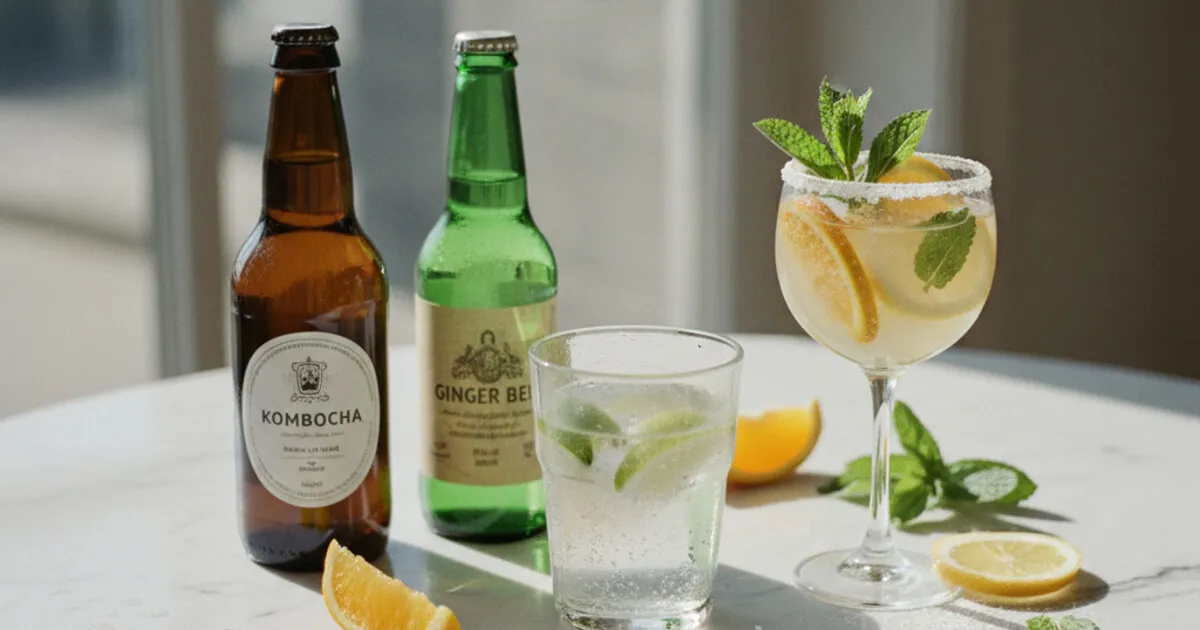
- Functional beverages (adaptogens, CBD drinks, kombucha)
- Simple upgrades (sparkling water with citrus, herbal tea, fancy mocktails)
Having something in your hand that feels intentional makes social situations much easier.
4. Prepare for Social Pressure
Not everyone will understand your choice. You might hear:
- “Just have one!”
- “You’re not an alcoholic, why bother?”
- “Come on, don’t be boring.”
Have a response ready. It can be simple: “I’m taking a break” or “I feel better without it.” You don’t owe anyone an explanation. And here’s the truth: most people care far less about what’s in your glass than you think.
5. Track What You Notice
This is where tools like SobrMate come in. Tracking your alcohol-free days, the money you’re saving, and your mood patterns gives you concrete data about what sobriety actually does for you.
It’s one thing to think “I feel better.” It’s another to see it mapped out over weeks and months.
What the Research Says About Taking a Break
Even short breaks from alcohol produce measurable benefits:
- Sleep quality improves within the first week
- Liver fat decreases by an average of 15% after one month
- Blood pressure drops to healthier levels within 3-4 weeks
- Depression and anxiety symptoms reduce significantly
- Cancer-related biomarkers decrease even after 30 days
- Weight loss is common due to eliminated alcohol calories (a single bottle of wine is 600+ calories)
These aren’t abstract promises — they’re documented in clinical studies on Dry January participants and others taking alcohol breaks.
The Bigger Picture
The sober curious movement isn’t really about alcohol. It’s about intentionality. It’s about choosing how you feel, how you spend your time, and what you put in your body — rather than defaulting to cultural autopilot.
It’s about realizing that the question “Why aren’t you drinking?” is far less interesting than the question “Why are you?”
Whether you’re questioning your first drink or your thousandth, whether you’re in long-term recovery or just wondering what a month without booze would feel like — you belong in this conversation.
The sober curious movement has made one thing undeniably clear: choosing not to drink is no longer the exception. It’s becoming the norm.
Exploring your relationship with alcohol? SobrMate helps you track your alcohol-free days, see your savings add up, and connect with others on the same journey. No labels required — just curiosity and a desire to feel better.
Tags
About the author
James CarterRecovery & Mental Health Advocate
James is a peer recovery specialist and writer with 8 years of sobriety. He contributes to addiction recovery publications and runs a weekly support newsletter for people in early recovery.
More from James Carter