How Long Does It Take to Rewire Your Brain from Addiction?
Sources and further reading
This article is general information, not medical advice. If alcohol is affecting your health, talk to a doctor or a qualified treatment provider.
The question comes up constantly in recovery: how long does it take to rewire your brain from addiction? You’ve heard “it takes time,” but that phrase has no units. Weeks? Months? Years? Knowing the actual timeline matters. It sets realistic expectations so you’re not wondering why month 2 still feels rough, or why a craving surfaces at 6 months when you thought you were past it.
The answer depends on the substance, how long you used, and what you do in recovery. Researchers have mapped the patterns. Here’s what the science shows.
Rewiring the brain from addiction typically takes 1-2 years for significant neurological recovery, though real changes start within the first 90 days. The prefrontal cortex, which governs decision-making and impulse control, takes the longest to recover, often 12-18 months of sustained sobriety. Genetics, substance type, and sleep quality all affect the pace.
What “Rewiring the Brain” Actually Means
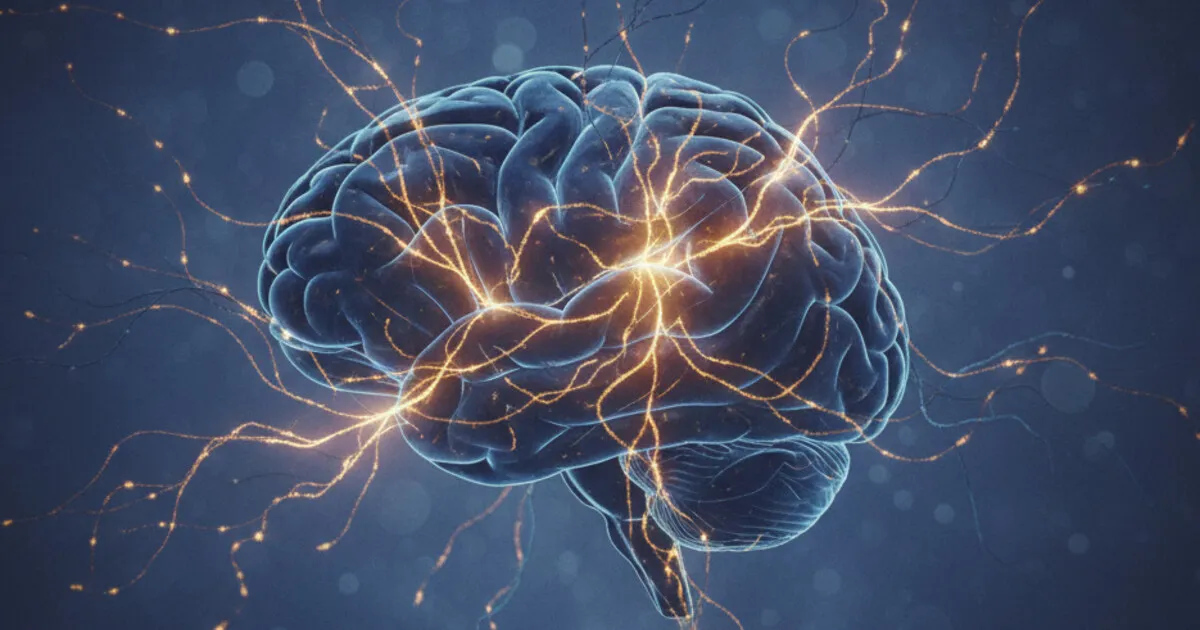
When people talk about rewiring the brain from addiction, they’re describing something specific. Chronic substance use reshapes the brain’s reward system. Dopamine pathways that normally fire for food, connection, and accomplishment get hijacked. The brain recalibrates around the substance, producing less natural dopamine and building fewer receptors for it.
Stopping doesn’t instantly fix that. The brain has to rebuild. Dendrites regrow. Receptor density recovers. The prefrontal cortex, which took the hardest hit to decision-making capacity, slowly patches itself back together.
If you want a deeper look at how addiction hijacks these systems at a cellular level, our Understanding Addiction: The Neuroscience Explained Simply article covers the full picture.
Brain plasticity is what makes recovery possible. Neuroplasticity, the brain’s ability to form new connections and prune old ones, doesn’t stop in adulthood. Research from the National Institute on Drug Abuse shows that abstinence triggers measurable changes in brain structure and function, often detectable on imaging scans within 14 days of stopping. By 90 days, dopamine receptor density in the striatum begins recovering toward baseline levels. The prefrontal cortex, responsible for impulse control, emotional regulation, and long-term planning, shows ongoing structural recovery through the first 12-18 months of sobriety. White matter integrity, which alcohol and methamphetamine damage significantly, starts rebuilding around the 6-9 month mark for most people. These timelines vary based on age at first use, length of use, and co-occurring mental health conditions. The core finding across decades of research is consistent: the brain actively rebuilds itself when given what it needs, which is time, sleep, nutrition, and reduced stress.
The Brain Recovery Timeline by Substance
Each substance damages the brain differently, and recovery runs on different clocks.
Alcohol
The first week involves acute withdrawal and brain chemistry in flux. By weeks 2-4, sleep usually starts improving and cognitive fog begins lifting. Months 1-3 bring dopamine system stabilization, and mood often improves noticeably. By months 6-12, the prefrontal cortex shows measurable recovery on imaging scans. White matter integrity, heavily damaged by long-term alcohol use, is largely restored for most people by the 2-year mark.
For a detailed breakdown of what’s happening chemically during that first year, see our dopamine recovery timeline after quitting alcohol.
Opioids
Physical withdrawal peaks around days 3-7. After that, the brain starts rebuilding its own endorphin production, a process that takes weeks to months. Emotional regulation improves significantly in the 3-6 month range. By months 12-18, cravings decrease substantially and decision-making sharpens.
Stimulants (cocaine, methamphetamine)
These take longer. Methamphetamine causes more extensive dopamine system damage than most other substances. Weeks 1-2 are often marked by intense cravings, depression, and fatigue. Dopamine levels gradually climb back over months 3-6. Significant neurological recovery happens in the 12-24 month window, though some changes can be long-lasting.
Nicotine
The brain responds faster with nicotine. Receptor density starts declining within 2-4 weeks of stopping. Brain chemistry largely normalizes by months 3-6, and cravings reduce sharply around the 1-year mark.
What Slows Down Brain Rewiring
A few things reliably stall the process.
Poor sleep. The brain does most of its repair work during deep sleep. Getting 5-6 hours a night extends the recovery timeline significantly. This is the variable most people underestimate.
Chronic stress. Cortisol, the stress hormone, interferes with neurogenesis (the growth of new brain cells). Recovery already taxes the brain. Adding unmanaged stress on top slows healing.
Poor nutrition. The brain needs protein, healthy fats, and B vitamins to rebuild. Zinc and magnesium matter too. Early recovery nutrition is something a lot of people skip, and it shows up in how long the fog lasts.
Cross-addiction. Trading alcohol for compulsive sugar or gambling engages the same dopamine pathways the brain is trying to rebuild. It’s not identical to the original addiction, but it slows the system’s return to baseline.
What speeds recovery up:
- Aerobic exercise. Even 30 minutes of walking 5 days a week raises BDNF, a protein that supports neuroplasticity.
- 7-9 hours of sleep per night.
- Stress reduction. Meditation, slow breathing, and time outdoors all show measurable effects on recovery.
- Social connection. Peer support correlates with faster recovery across multiple studies.
Signs Your Brain Is Healing
These show up gradually, not all at once.
Cravings shorten. In early recovery, a craving might last 30-45 minutes. By month 3-6, most people notice they’re down to 5-15 minutes and easier to ride out. The wave still comes; it just breaks faster.
Sleep deepens. You start dreaming again, or remembering your dreams. This happens as REM sleep restores and is one of the earliest signs of neurological repair.
Emotions even out. The first 2-3 months are often an emotional rollercoaster. When feelings start having a beginning, middle, and end without overwhelming you, that’s the brain’s regulatory circuits coming back online.
Decision-making clears. The cognitive fog lifts. You stop second-guessing small decisions. Thinking feels less like wading through mud.
Boredom becomes tolerable. In early recovery, boredom is often a craving trigger because the reward system is so depleted. When ordinary activities start feeling okay again, that’s the dopamine system climbing back toward baseline.
Some people also experience a second wave of symptoms around months 3-6, even after feeling good earlier. This is sometimes called post-acute withdrawal syndrome (PAWS), and it’s a normal part of neurological recovery, not a sign something has gone wrong.
How SobrMate Helps During Brain Recovery
Recovery research consistently shows that accountability structures improve outcomes. SobrMate’s daily check-in feature lets you log how you’re feeling each day, which matters more during recovery than it might seem. When you’re in a hard week, seeing 14 consecutive days of check-ins tells you something concrete: you’ve done this before.
The sobriety counter serves a real purpose during brain recovery too. Watching the days build creates an external reward signal at exactly the point when your brain’s internal reward system is rebuilding. SobrMate also preserves your history if you relapse. Resetting a counter doesn’t erase past progress, because recovery isn’t linear, and losing your record to one hard day does more psychological damage than it should.
SobrMate’s private community groups are organized by recovery stage, which puts you with people a few months ahead of where you are. That social connection, according to the research, actively supports faster brain recovery.
Frequently Asked Questions
How long does it take to feel normal after quitting alcohol?
Most people start feeling noticeably better by weeks 2-4, as sleep improves and cognitive fog begins lifting. Sustained emotional stability usually kicks in around months 2-3. Feeling “normal” in a lasting way typically takes 6-12 months, depending on how long and how heavily you were drinking.
Can the brain fully recover from addiction?
For most people and most substances, yes. The brain has significant capacity to rebuild after addiction. Long-term heavy methamphetamine use can cause some damage that’s partially permanent, but the majority of people who maintain sobriety see substantial neurological recovery, often close to baseline levels, within 1-2 years.
What happens at 90 days sober?
At 90 days, dopamine receptor density in key brain regions starts recovering toward baseline. Sleep architecture improves significantly. Cognitive function, including memory, attention, and processing speed, measurably improves. Many people report that 90 days is the first time they’ve been able to think clearly since before they started using.
Does exercise help brain recovery from addiction?
Yes, and the research on this is solid. Aerobic exercise raises BDNF, a protein that promotes neuroplasticity and neurogenesis. Studies with alcohol-dependent patients show that regular aerobic exercise speeds up cognitive recovery compared to sobriety alone. 30 minutes of moderate cardio 4-5 days a week is enough to see measurable effects.
The Long Game
Brain recovery from addiction takes longer than most people expect. The biology is against you at first: your brain’s reward system is rebuilding from the ground up, and that takes 1-2 years, not 1-2 weeks. But the 90-day mark is a real neurological checkpoint. So is 6 months. So is year 1. Each of those is a point where measurable changes have happened, even when it doesn’t feel like it.
If you want to track your progress day by day, SobrMate is free to start. Daily check-ins, sobriety counters, and community groups organized by recovery stage, all without a paywall for core features. Download it at sobrmate.app.
Tags
About the author
Sarah MitchellHealth & Wellness Writer
Sarah is a certified health coach and freelance writer covering nutrition, mindfulness, and habit formation. She has written for Healthline and Verywell Mind, and personally practices sobriety.
More from Sarah Mitchell