Energy Drink Alternatives: 8 Swaps for Quitting the Habit
Energy drink alternatives are everywhere, but most of them gloss over the hardest part: if you’ve been hitting one or two cans daily, your body is probably already physically dependent on caffeine. A can of Monster packs 160mg. Reign and Bang push 300mg per can. Your body builds dependency in as little as two weeks of daily use at those doses. When you stop, withdrawal hits: throbbing headaches, brain fog, fatigue, irritability. Most people reach for another can just to feel normal again.
Plenty of drinks can fill the gap without locking you into the same cycle. Some deliver steadier, calmer energy. Others let you step down gradually so the transition doesn’t knock you flat for a week.
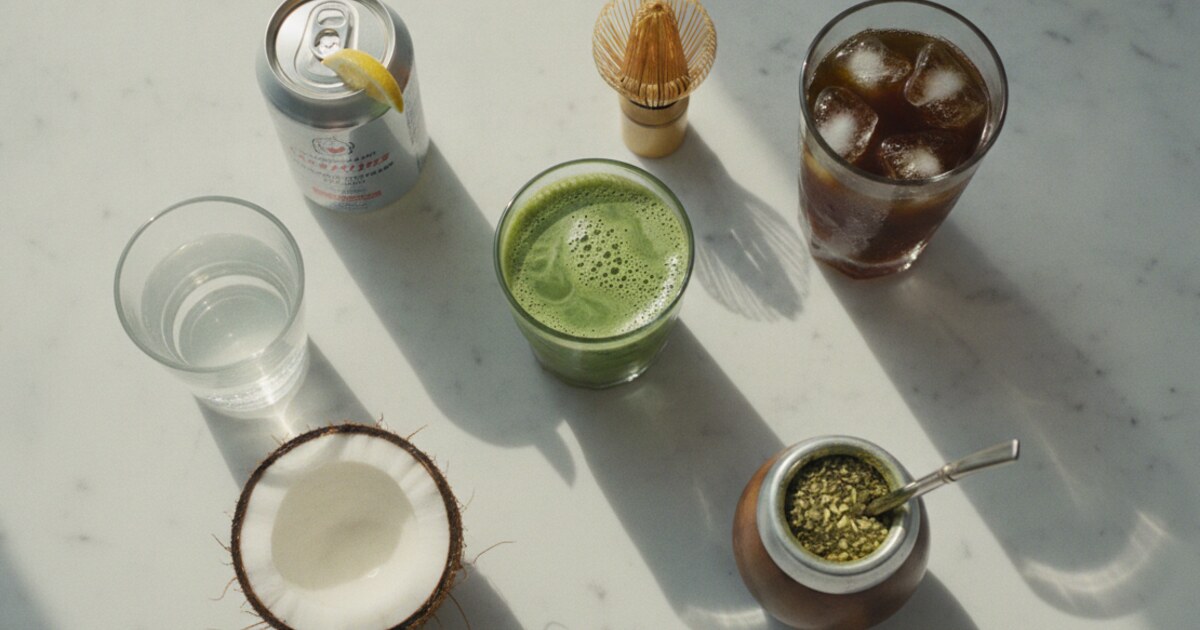
The best energy drink alternatives include matcha (about 70mg of caffeine with L-theanine for calm, sustained focus), cold brew coffee (100-150mg, no added sugar), and yerba mate (80mg, smooth and longer-lasting than coffee). For caffeine-free swaps, sparkling water addresses the ritual craving and kombucha handles the fizz. A gradual taper works better than quitting cold turkey.
Why Energy Drinks Are So Hard to Give Up
A standard energy drink delivers 160-300mg of caffeine per can. Celsius sits at 200mg. Reign and Bang hit 300mg in a single 16oz serving. For context, a cup of brewed coffee has about 95mg. When you’re hitting one or two energy drinks daily, your brain’s adenosine receptors adapt to that higher baseline fast.
Caffeine dependence forms with daily doses as low as 100mg, typically within 7-14 days of consistent use. When intake drops, adenosine (the neurotransmitter that signals tiredness) floods the brain without its usual blocker. The result is a recognizable cluster of withdrawal symptoms: throbbing headache, fatigue, low mood, difficulty concentrating, and sometimes nausea. Symptoms peak between 20 and 51 hours after the last dose and clear up within 2-9 days for most people. The FDA’s safe upper limit for healthy adults is 400mg per day, yet a single Reign or Bang contains 300mg. Research published in PMC found that 52.5% of 12th graders drink energy drinks regularly. Multiple peer-reviewed studies have documented cardiovascular effects including elevated heart rate and blood pressure from regular consumption. Quitting without a plan is how you end up with 3 days of headaches and retreat to the gas station.
The alternatives below are chosen for two reasons: steady energy without the dependency cycle, and enough caffeine (in some cases) to let you step down gradually.
If you’ve been drinking energy drinks daily for months, reading about the full energy drink addiction cycle first can make the switch less of a surprise.
8 Energy Drink Alternatives Worth Trying
Matcha
Matcha delivers about 70mg of caffeine per 8oz serving, paired with L-theanine, an amino acid that blunts jitteriness and promotes what researchers call “calm alertness” (focused but not wired). Because you consume the whole ground leaf, caffeine releases more slowly than it does from a carbonated can. It’s the closest functional swap for people who need concentration without anxiety.
Cold Brew Coffee (Unsweetened)
An 8oz cold brew contains 100-150mg of caffeine. Drink it black and you skip the 54g of sugar in a Monster. Cold brewing reduces acidity by about 67% compared to regular drip coffee, making it gentler on the stomach. Add ice and you’ve got something that satisfies the “cold, energizing drink” ritual without the synthetic ingredient lineup.
Yerba Mate
Yerba mate sits at about 80mg of caffeine per cup. People who drink it consistently report a smoother, longer-lasting lift compared to coffee, with less of the sharp peak-and-crash that energy drinks amplify. The caffeine level makes it useful as a step-down drink: higher than green tea, lower than a full energy drink, and enough to take the edge off withdrawal while you reduce the dose.
Green Tea
Green tea delivers about 45mg of caffeine per cup, making it the gentlest caffeinated option on this list. If you’re coming off 300mg daily habits, it’s probably not enough on its own at first. But it works well for the afternoon slot once your body has adjusted, or as the final step before dropping caffeine entirely.
Sparkling Water
A big part of any energy drink habit is the ritual: the cold can, the fizz, the action of opening something. Sparkling water with a squeeze of lemon or lime addresses the habit loop without adding caffeine, sugar, or anything you’re trying to cut. It’s surprisingly effective at handling the boredom-driven reach for a can.
Kombucha
Kombucha has 20-30mg of caffeine from its fermented tea base. It’s carbonated, lightly sweet, and has enough flavor complexity to feel like more than just water. Growing research on the gut-brain axis suggests the live cultures support mood and sustained energy. Don’t expect a significant stimulant effect, but it fills the sensory gap well as an afternoon drink.
Coconut Water
A lot of afternoon energy slumps are actually dehydration dressed up as tiredness. Coconut water delivers electrolytes (potassium, sodium, magnesium) without the artificial sweeteners in most sports drinks. One cup has roughly 400-600mg of potassium. If your energy crashes typically follow long stretches without water, this often handles it without caffeine at all.
Adaptogen Teas (Ashwagandha, Rhodiola)
Ashwagandha and rhodiola are adaptogens with clinical trial evidence for reducing perceived fatigue and helping the body handle physiological stress. They’re not stimulants and don’t produce a caffeine rush. Multiple studies have found they support more even energy across the day by reducing the stress response that drains you. Caffeine-free, making them a good fit for evenings or as a full exit from stimulants.
How to Switch Without the Withdrawal Crash
Going cold turkey from 300mg a day is a reliable path to a 3-day migraine. A gradual taper is less dramatic.
The basic approach: cut your daily caffeine by 25-50mg per week. If you’re on 300mg (one Reign daily), swap to a cold brew plus green tea combo totaling about 200mg in week one, then step to 150mg in week two, then 100mg in week three. The headache that would have hit hard on day one of cold turkey becomes a manageable dip during each transition week.
Track what you’re actually consuming. A 16oz Monster is 160mg. A Celsius is 200mg. Two cups of coffee is around 190mg. Most people underestimate their intake by 50-100mg a day.
The craving side is separate from the physical dependency. The same craving management techniques that work in substance recovery apply here too: identifying your triggers (the afternoon slump, the vending machine near your desk, the work stress spike), having a substitute ready before the urge hits, and disrupting the routine. The habit loop is often harder to break than the physical withdrawal.
How SobrMate Helps You Track Your Energy Drink Habit
SobrMate’s multi-addiction tracking lets you set up a counter specifically for energy drinks, separate from anything else you might be working on. The counter logs how many days you’ve gone without. Daily check-ins let you track how your mood and energy shift as the physical dependency clears.
The savings calculator makes the cost visible. At $3-4 per can, a daily habit runs $90-120 per month. Watching that number build as your streak climbs is its own motivation.
If you slip and have a can, the app lets you reset without erasing your streak history. Quitting any habit rarely goes in a straight line, and SobrMate is built around that reality rather than treating a slip as starting from zero.
Frequently Asked Questions
What is the healthiest alternative to energy drinks?
Matcha is the strongest overall swap. It delivers about 70mg of caffeine alongside L-theanine, which smooths the energy curve and reduces anxiety. The combination produces steady focus without jitters, and matcha’s antioxidant profile has solid research behind it. Cold brew coffee (black) is a close second: similar caffeine range, zero sugar, two ingredients.
Can I quit energy drinks cold turkey?
You can, but withdrawal symptoms peak between 20 and 51 hours after the last dose and can last up to 9 days. Most people find a gradual taper easier: reduce by 25-50mg of caffeine per week until you reach your target. Cold turkey is faster but harder. The choice depends on how much withdrawal discomfort you can manage in a short stretch.
How long does it take to stop craving energy drinks?
Physical caffeine dependence clears within about 2 weeks of stopping. Habitual cravings can stick around longer because they’re tied to behavioral patterns: the time of day, the feeling of tiredness, the vending machine near your desk. Replacing the ritual with a specific alternative drink helps break it faster than willpower alone. For a longer look at the brain’s recovery timeline, see how long it takes to rewire your brain from addiction.
What can I drink for energy without caffeine?
Coconut water addresses dehydration-related fatigue. Adaptogen teas (ashwagandha, rhodiola) support sustained energy without stimulation. B-vitamin sparkling waters offer a mild lift. For most people, fixing hydration and sleep delivers more reliable energy than any supplement.
How much caffeine is in a typical energy drink?
It varies widely. Red Bull (8.4oz) has 80mg. Monster (16oz) has 160mg. Celsius (12oz) has 200mg. Reign and Bang (16oz) each have 300mg. The FDA’s safe upper limit for healthy adults is 400mg per day. Heavy energy drink users frequently hit or exceed that with a single can.
SobrMate lets you track your energy drink streak alongside any other habit you’re working on. Set your start date, log your daily check-ins, and watch your savings stack up as the streak grows. Try it free at sobrmate.app.
Tags
About the author
James CarterRecovery & Mental Health Advocate
James is a peer recovery specialist and writer with 8 years of sobriety. He contributes to addiction recovery publications and runs a weekly support newsletter for people in early recovery.
More from James Carter